
Audio Visualizer
Make audio worth watching. Drop a podcast clip, a voice recording or a track, and this free audio visualizer draws a live soundwave or spectrum over your cover image, then exports an MP4 for any social feed — with no watermark and no upload.
“Neon Drive”, made with the AIFlowMusic AI Music Generator
The audio is decoded and the video is rendered in your browser. Your file never leaves your device.
What an audio visualizer does
Social feeds are built for video, so a plain audio file has nowhere to go. An audio visualizer solves that by drawing the sound: a waveform line that follows the speaker's voice, or a row of spectrum bars that rise and fall with the music. Put it under a cover image with the episode or track name, and a clip that was only audio becomes a video people stop on.
Two drawings do most of the work. A waveform shows the shape of the signal itself — loud syllables make tall peaks, pauses go flat — which is why it reads naturally for speech. A spectrum (the "audio spectrum visualizer" look) splits the sound into frequency bands, from bass on one side to treble on the other, which suits music, where many instruments play at once. This audio visualizer maker has both, plus circular, mirrored and vinyl variants, and you can switch between them while the preview plays.
Everything happens in your browser. The audio is decoded on your device and measured 30 times a second, each frame is drawn in the style you pick — blended between measurements so motion stays smooth at 30 or 60 fps — and the frames are encoded with your original audio into an MP4. Because none of it runs on a server, there is no upload, no queue and no watermark.
Audio visualizer features
Waveform and spectrum styles
A live waveform line for voice, bar and mirrored-bar spectrums for music, a circular spectrum around your cover, and a spinning vinyl record.
Sized for every feed
16:9 at 1920×1080, 9:16 at 1080×1920 for Reels, TikTok and Shorts with text kept above the caption area, and 1:1 at 1080×1080 for square posts.
Pick the moment
Load a recording up to 30 minutes, then export up to 10 minutes of it at 30 fps (5 at 60 fps) — the whole thing or a 60, 30, 15 or 8-second clip from any point, with short fades so the cut starts and ends cleanly.
Cover, title, show name
Add an episode cover or logo, a title and a show or artist name, and choose the accent colour of the visualizer.
60 fps or transparent
Export at 30 or 60 fps, or with a transparent background as a WebM you can lay over a video of the speaker.
Free, online, nothing uploaded
It works in the browser like any online tool, but the audio is processed on your device. No account, no daily limit, no watermark.
Audio visualizer styles
Real frames from this tool. Waveform is the default here because it reads best for speech; the spectrum styles suit music. All of them work in 16:9, 9:16 and 1:1.
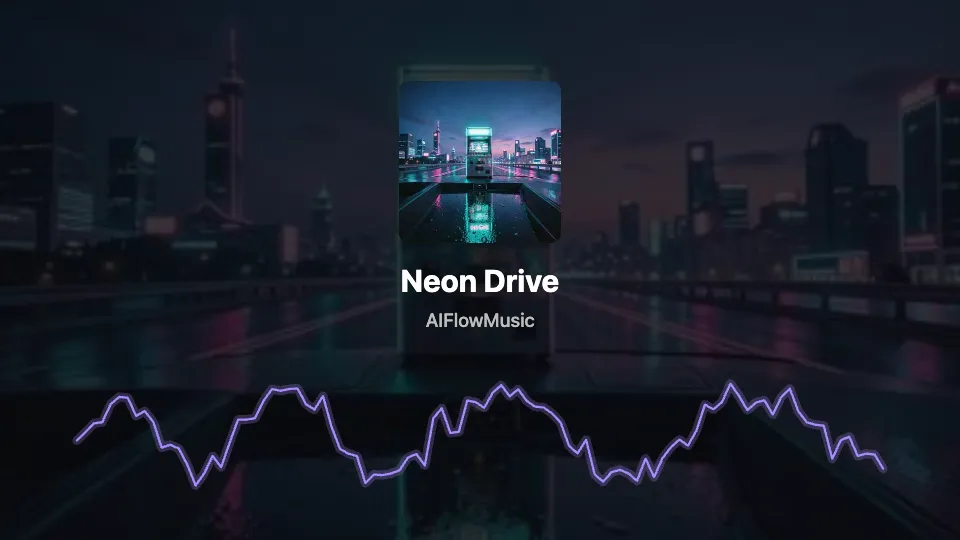
Waveform
A live line that follows the sound itself. Made for podcasts, voice notes and spoken word.
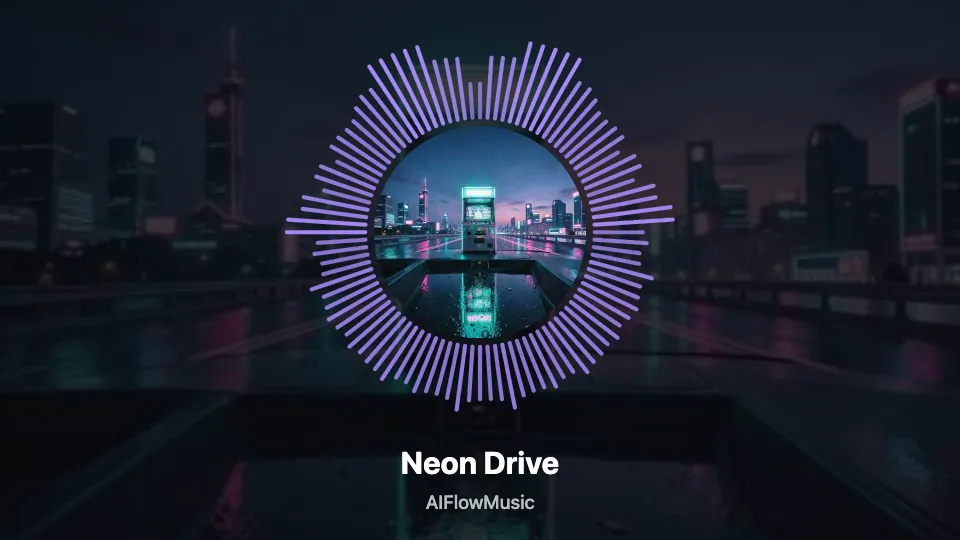
Circle spectrum
Bars ring your cover art and flare on the beat — the classic look for a single on YouTube.
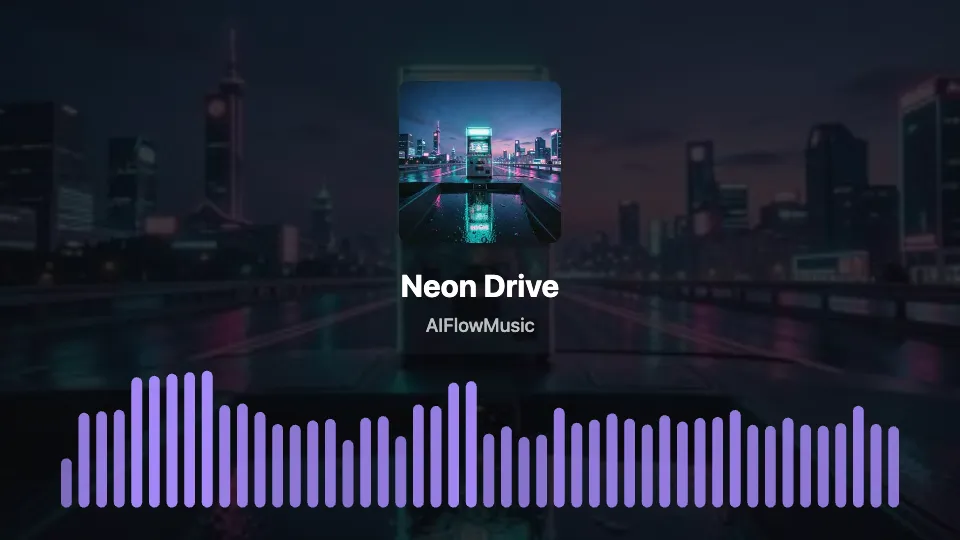
Bars
Cover, title and artist up top, a full-width spectrum along the bottom. Clear on any screen.
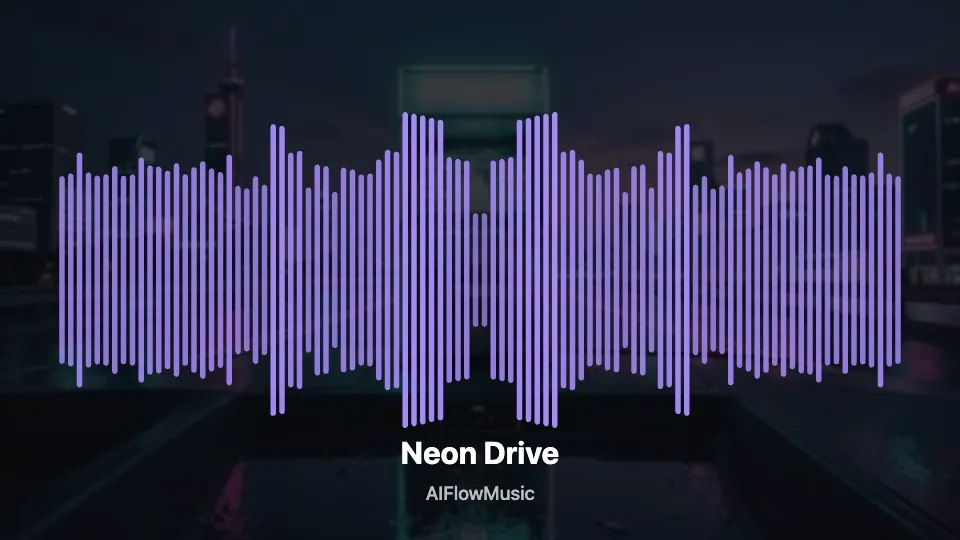
Mirror bars
Bass in the middle, treble at the edges, growing up and down from the centre line.
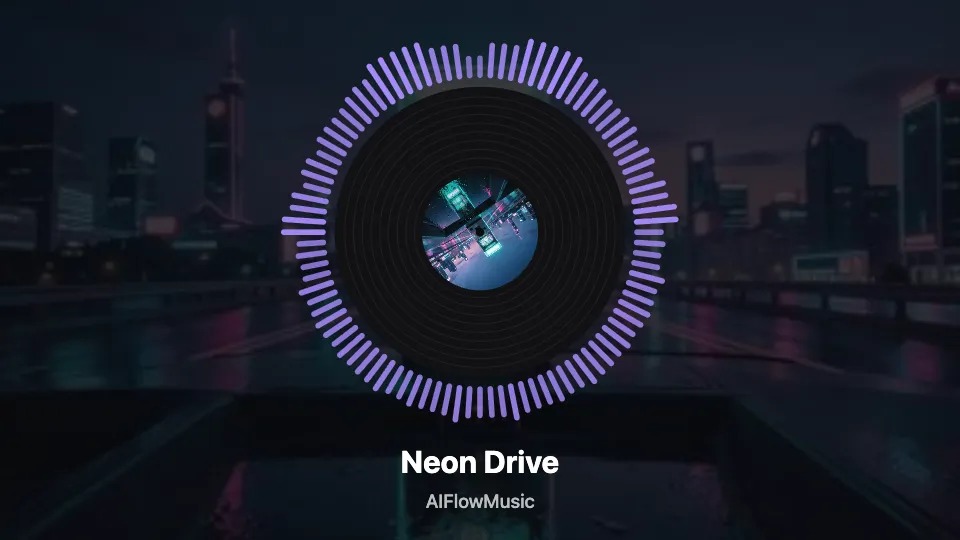
Spinning vinyl
Your cover becomes the label of a turning record, with a thin spectrum ring around it.
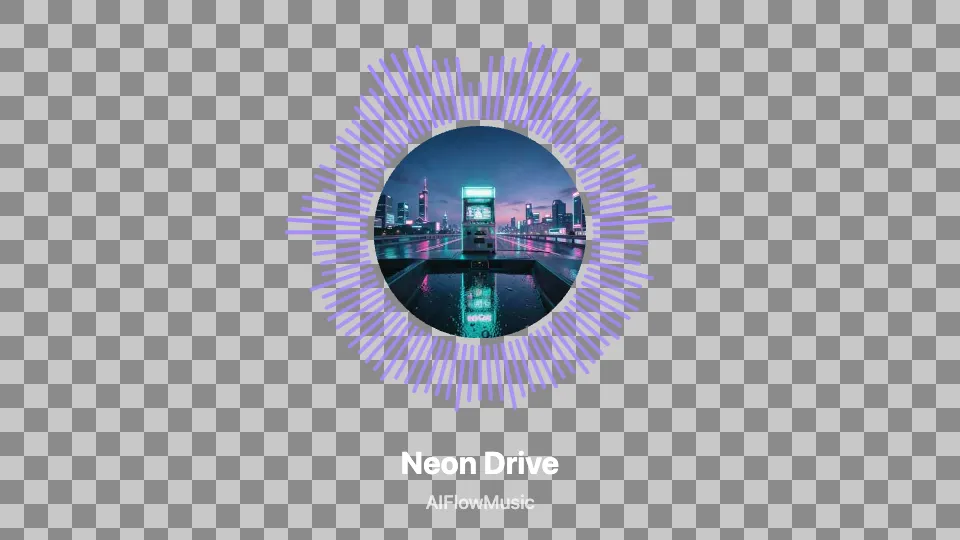
Transparent background
Export only the visualizer as a WebM with alpha and lay it over your own footage in an editor.
Visualizing a full song for a release? The Music Visualizer starts with the circle spectrum around your cover art →
What people use an audio visualizer for
Podcast clips
Cut the best 30 or 60 seconds of an episode, put the waveform under the episode cover and post it as a Reel or Short that points to the full show.
Voice notes and spoken word
Poetry, audiobook samples, sermons or interviews — a moving waveform gives listeners something to watch while the words land.
Songs and beats
Switch to a spectrum style for music. For a full release with cover art front and centre, the Music Visualizer page is set up for that.
Video overlays
Export a transparent waveform and place it under a talking-head video, a stream layout or an interview recording.
How to use the audio visualizer
1. Add your audio
Drop an MP3, WAV, FLAC, AIFF, OGG or M4A up to 30 minutes long. It is decoded and analysed in your browser in a few seconds.
2. Set it up
Pick a waveform or spectrum style, a format and a frame rate, add a cover, title and show name, and choose the clip you want. Play the preview to check it with the sound.
3. Export
Export the video and it is saved straight to your device as an MP4 with the original audio.
Audio visualizer FAQ
Is this audio visualizer free and online?
Yes. It runs in your browser like any online tool, with no install, no account and no watermark. The difference is that your audio is processed on your device instead of being uploaded.
What is the best style for a podcast?
The waveform. It follows the shape of the voice, so viewers can see when someone is speaking and when there is a pause. Spectrum bars look busier and suit music better.
What is an audio spectrum visualizer?
It splits the sound into frequency bands — bass to treble — and shows how loud each band is right now. The bars, mirrored bars and circle styles here are spectrum visualizers built from 48 bands measured 30 times a second.
Can I make a vertical video for Instagram or TikTok?
Yes. Choose 9:16 (1080×1920) and a 15, 30 or 60-second clip, and move the start point to the moment you want to share.
Can I put the waveform over my own video?
Yes. Set the background to Transparent and the export is a WebM with an alpha channel, so everything except the waveform, cover and text is see-through. Place it over your footage in an editor that reads WebM transparency.
Does the export have a watermark or a length limit?
No watermark. You can load recordings up to 30 minutes; one export can be up to 10 minutes at 30 fps or 5 minutes at 60 fps. For longer recordings, pick a clip and a start point.
What file does it produce?
An MP4 with H.264 video and AAC audio at 30 or 60 fps. With a transparent background, or in a browser that cannot encode MP4, it is a WebM instead — the page tells you which before you export.
Is my recording uploaded?
No. Decoding, analysis, rendering and encoding all happen in your browser, so private recordings stay on your device.
Which browsers are supported?
On Windows and macOS, recent Chrome and Edge export MP4. Other browsers export MP4 or WebM depending on which encoders they have, and a few (older Safari, for example) can preview but not export. Longer exports are quicker on a computer than on a phone.
Make your audio watchable.
Waveform or spectrum, your cover, an MP4 for any feed. Free and in your browser.
More AI music tools
One place to generate, convert, detect, and remix.
Turn a prompt into a full song with vocals.
Write full song lyrics from a theme or a line.
Verses and hooks in trap, drill, boom bap and more.
Sung brand hooks and sonic logos with target lengths.
Shape phonk with BPM, key, energy, cowbell and 808 controls.
Build lofi beats by scene, tempo, key, texture and length.
AI rap diss with lyrics + beat in seconds.
Stage name ideas by scene — trap, drill, classic.
Convert an MP3 into editable MIDI notes.
Remove vocals from a song and blend them back with a slider.
Render a .mid file to MP3 or WAV with real instrument sounds.
Split a track into vocals and instrumental.
Shift a song by semitones without changing its speed.
Turn a song into an MP4 video with a reactive spectrum.
Add a slowed + reverb tape vibe, free in your browser.
Find any track's tempo by tap or upload.
Find whether a song counts in 4 or in 3.
Detect the musical key of any song.
Check your pitch accuracy note by note.
Get key, Camelot code and tempo from one upload.
Batch-key up to 25 tracks into one table.
Find the key through your mic — no file needed.
Get every beat position, bar by bar.
Tap out a tempo, get delay times in ms.
Every note and chord in any key.
Find the note and frequency of any sample.
Live chromatic tuner in your browser.
Sing or play a note and see which note it is.
Turn a melody into note names and timings.
Measure your vocal range low to high.
WAV, FLAC, AIFF, OGG, M4A or MP3 into editable MIDI notes.
Piano audio to engraved sheet music, both hands.
Any recording into a readable, printable score.
AI vs by ear vs hiring — and the fast path.
6 formats in — score, PDF, MusicXML, MIDI out.
Tape warmth, wobble and vinyl crackle on any track.
Guitar, bass, ukulele and more — notes, Hz and a tuner.
BPM to ms for every note value.